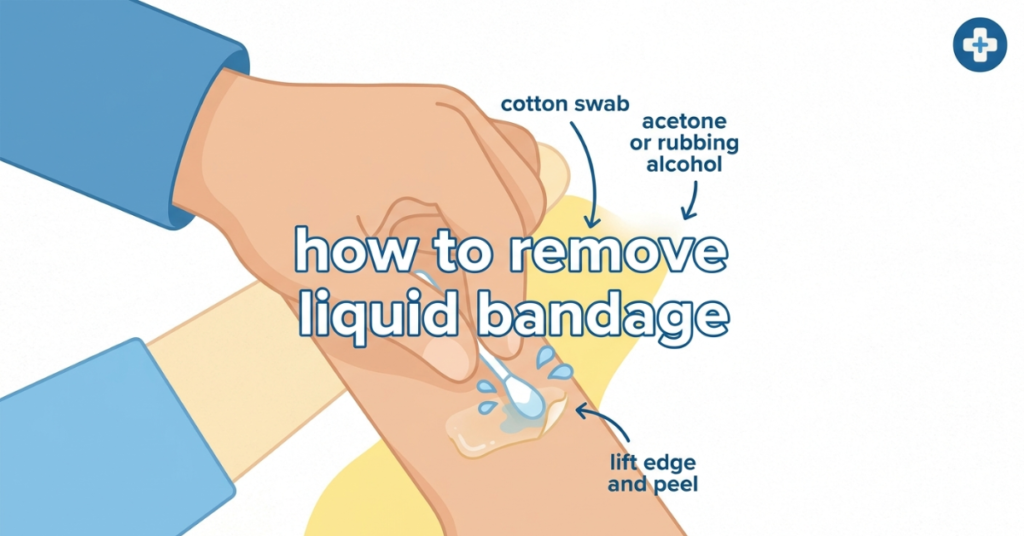

Liquid bandages are super convenient—until you need to take them off. If you’re wondering how to remove liquid bandage without hurting your skin or damaging a healing wound, you’re in the right place.
In this guide, we’ll walk you through safe, easy methods to remove liquid bandage from skin, wounds, and even hair—without causing irritation or slowing down healing.
What Is a Liquid Bandage?
Before learning how to remove liquid bandage from skin, it helps to know what it actually is.
A liquid bandage is a thin, protective layer applied over minor cuts or scrapes. It dries quickly and forms a waterproof seal that protects the wound from dirt and bacteria.
Why it’s used:
- Protects small cuts and cracks
- Keeps water out
- Speeds up healing
- Eliminates need for traditional bandages
Most liquid bandages naturally wear off over time—but sometimes you need to remove them manually.
Do You Need to Remove a Liquid Bandage?
Here’s something important: in many cases, you don’t need to remove it at all.
Let it fall off naturally if:
- The wound is still healing
- There’s no irritation
- The bandage is intact
However, you may want to remove it if:
- It’s peeling unevenly
- Dirt is trapped underneath
- You need to reapply treatment
- It’s stuck in hair or uncomfortable
How to Remove Liquid Bandage from Skin
Let’s start with the most common situation—how to remove liquid bandage from skin safely.
Method 1: Warm Water & Soap
This is the safest and easiest method.
Steps:
- Soak the area in warm water for 5–10 minutes
- Gently wash with mild soap
- Rub lightly with your fingers or a soft cloth
- Let it peel off naturally
This softens the layer without damaging your skin.
Method 2: Oil-Based Removal
If water alone doesn’t work, oils can help break it down.
Use:
- Baby oil
- Coconut oil
- Olive oil
Steps:
- Apply a small amount to the area
- Let it sit for a few minutes
- Gently rub until it loosens
- Wash with soap afterward
Oils dissolve the adhesive layer gently.
How to Remove Liquid Bandage from a Wound
Removing a liquid bandage from a healing cut requires extra care.
Important rule:
Never force it off if the wound hasn’t healed.
Safe method:
- Soak with warm water
- Let the edges loosen naturally
- Gently peel only if it lifts easily
If it resists, stop and let it fall off on its own.
How to Remove Liquid Bandage from Hair
Getting liquid bandage stuck in hair can be frustrating, but it’s fixable.
Method: Oil + Patience
Steps:
- Apply oil (coconut or baby oil) to the affected hair
- Let it soak for 5–10 minutes
- Gently separate strands with fingers
- Use a comb carefully
- Wash hair afterward
Avoid pulling—it can damage hair or cause pain.
What NOT to Do When Removing Liquid Bandage
When learning how to remove liquid bandage, avoiding mistakes is just as important.
Don’t:
- Peel it off forcefully
- Use harsh chemicals like acetone (unless advised)
- Scratch or pick at it
- Remove it from an open wound
These can cause irritation or delay healing.
How Long Does Liquid Bandage Last?
In most cases, a liquid bandage will:
- Last 5–10 days
- Gradually wear off on its own
- Peel away as skin heals
If you’re unsure, waiting is often the safest option.
Signs You Should Remove It
You may need to remove it if you notice:
- Redness or irritation
- Dirt trapped underneath
- Cracking or peeling edges
- Discomfort or tightness
In these cases, follow the gentle removal methods above.
| Situation | Best Method |
| Skin | Warm water + soap |
| Stubborn layer | Oil-based removal |
| Wound | Let it fall off naturally |
| Hair | Oil + gentle combing |